
Government Grant Management in Singapore: How Agencies Can Navigate a Rapidly Evolving Landscape
18th January 2026
5 min read
by Tara Endenburg

Singapore’s public sector is recognised globally for its coordination, clarity, and commitment to measurable national outcomes. These qualities shape every aspect of government grant management Singapore, resulting in a system that is both high-performing and continually evolving. How is it changing and what can you do as an agency to navigate these developments effectively?
Singapore’s public sector has long used grants as an essential policy lever – fuelling innovation, building community resilience, supporting workforce transformation, and strengthening national competitiveness. But as grant portfolios expand in scale and sophistication, government grant management in Singapore is entering a new phase. Agencies must now balance fast-changing policy priorities with higher demands for transparency, measurable outcomes, and seamless digital service delivery.
The question for agencies is no longer why grant management should evolve – but how to navigate that evolution effectively.
The Growing Strategic Weight of Grants
Government grants in Singapore are no longer just financial mechanisms – they are extensions of national strategy. Whether supporting digitalisation in SMEs, enabling green transitions, advancing social service transformation, or encouraging innovation in research and development, grants are increasingly policy-critical.
With this shift, grant management teams face:
- More programs targeting multidisciplinary outcomes
- Wider stakeholder networks, including non-profits, private-sector partners, and research institutions
- Shorter cycles for piloting, evaluating, and scaling initiatives
- Greater scrutiny from the public and policymakers
For agencies, this means adopting more strategic grant operations that can adapt quickly, operate transparently, and produce reliable, high-quality performance data.
Rising Expectations for Accountability and Public Trust
Singapore’s strong governance culture sets high expectations for the stewardship of public funds. Agencies must demonstrate that grant decisions are fair, evidence-based, and aligned with policy goals – and that funded organisations use resources responsibly.
However, rising expectations for accountability come with operational challenges:
- Complex documentation requirements
- Increased audit readiness
- Cross-agency data sharing
- Tracking multi-year outcomes across varied projects
- Ensuring consistent assessment standards
The more grant programs grow, the harder it becomes to manage these responsibilities through manual workflows or siloed systems.
Data as a Driving Force for Better Decisions
Data is rapidly becoming the backbone of modern government grant management in Singapore. Agencies are expected to generate insights that support policy refinement, resource prioritisation, and long-term program planning (https://www.mddi.gov.sg/what-we-do/digital-development/digital-government/).
But many agencies still grapple with:
- Fragmented data across spreadsheets and portals
- Difficulty comparing performance across grant cycles
- Limited visibility into real-time grant status
- Challenges in monitoring KPIs that tie to national outcomes
As Singapore moves toward more evidence-based policymaking, government teams need data systems that support not just reporting – but interpretation, learning, and improvement.
Serving a Diverse and Digitally Uneven Recipient Base
Government grants support organisations that vary significantly in digital maturity – from well-resourced institutions to volunteer-run charities. Designing processes that are equitable, accessible, and efficient is a continuous balancing act.
Agencies must ensure:
- Simple, intuitive application experiences
- Clear communication of requirements
- Consistent guidelines across programmes
- Reasonable administrative burden for applicants
- The ability to accommodate both high- and low-capability recipients
This is especially important as Singapore encourages innovation and community-driven solutions – areas where smaller organisations often play key roles.
The Push Toward Seamless, Digital-First Operations
Singapore’s national digital agenda places pressure on agencies to enhance service delivery, reduce manual workloads, and build interoperable systems. Grant management processes are no exception. Agencies are expected to gradually move from fragmented or paper-driven workflows to integrated, digital-first operations. This aligns with the broader Digital Government Blueprint, which aims to make government services easy, seamless, and digital to the core (https://www.tech.gov.sg/about-us/what-we-do/our-digital-government-efforts/).
This shift supports:
- Faster assessments
- Reduced duplication of effort
- More consistent decision-making
- Easier data sharing between agencies
- Stronger reporting and audit trails
Digital transformation is no longer a back-office improvement – it is essential for achieving policy outcomes, improving recipient experience, and enabling transparent governance.
How Modern Grant Management Platforms Support Agencies
To navigate this evolving landscape, many government agencies are turning to digital grant management platforms that provide end-to-end visibility and control. Solutions like Tactiv’s platform Enquire support agencies in Singapore by:
- Centralising grant data across programs and cycles
- Automating assessments, approvals, and compliance workflows
- Providing real-time dashboards for tracking outcomes and risks
- Ensuring consistent documentation and auditable decision trails
- Creating a seamless, user-friendly experience for applicants
- Reducing administrative load so teams can focus on strategic work
Rather than replacing existing processes, digital platforms enhance them – allowing agencies to operate with greater transparency, agility, and accountability.
How Tactiv’s platform supports government agencies and NFPs to manage grants with flexibility and ease:
A More Strategic Future for Government Grants
As Singapore’s policy environment continues to evolve, government agencies will need grant management systems that match the complexity and ambition of their programs. By strengthening data infrastructure, modernising workflows, and enhancing recipient experience, agencies can ensure that grants continue to be one of Singapore’s most effective tools for driving national progress.
Digital platforms like Tactiv’s provide the foundation for this next phase – helping agencies build grant operations that are not only efficient, but strategically aligned, impact-driven, and ready for the future.
Interested to find out more? Request a demo.
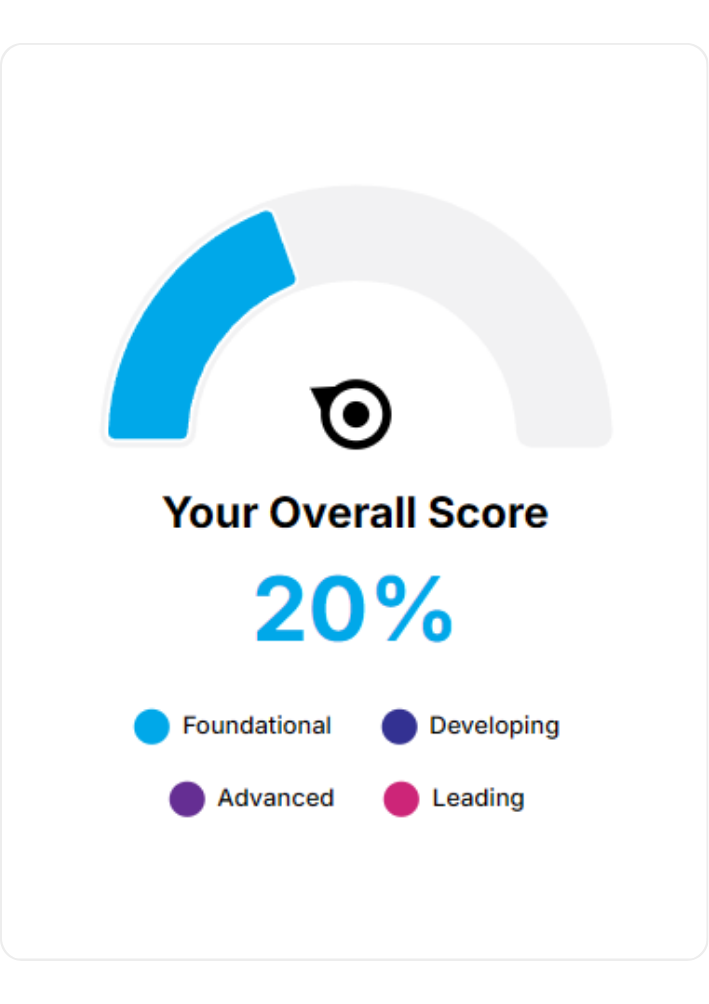
Impact measurement health check
How well are you measuring your impact? Take our FREE 5-min health check to find out