

3 Ways to Simplify Tracking your Research Funding Outcomes
19th March 2026
5 min read
by Priya O'Grady

Tracking research funding outcomes shouldn’t feel like chasing spreadsheets across departments.
Yet for many universities, research institutes, and funding organisations, outcome tracking remains fragmented across multiple systems, from grant application portals to financial tools and standalone reporting templates. The result is duplicated work, inconsistent data, and growing administrative pressure on research teams.
At the same time, expectations around accountability and impact reporting are increasing. Funding agencies are placing greater emphasis on demonstrating outcomes and public value from funded research.
For example, the Australian Government notes that “outcome reporting plays an increasingly significant role in government research funding and policy.” (Source: Australian Research Council reporting requirements)
If your organisation manages multiple funding streams, collaborative research projects, or outcome-based funding programs, here are three ways to simplify how you track, measure, and communicate research impact.
1. Centralise Grant Data and Outcomes in One System
One of the biggest barriers to effective outcome tracking is disconnected systems.
Research offices often manage:
- Pre-award proposal data in one system
- Contracts and milestones in another
- Financial tracking in separate finance platforms
- Outcome or KPI reporting in spreadsheets
When reporting deadlines arrive, teams manually consolidate information from multiple sources, increasing risk and reducing confidence in the data.
This challenge is widely recognised across research administration. Research administrators frequently report that the growing complexity of grant reporting requirements is increasing administrative workload. A study highlighted by the Society of Research Administrators International found that research administrators face significant pressure due to “burgeoning reporting standards and increasing compliance requirements.”
Without integrated systems, tracking outcomes becomes reactive rather than continuous.
How Tactiv simplifies this
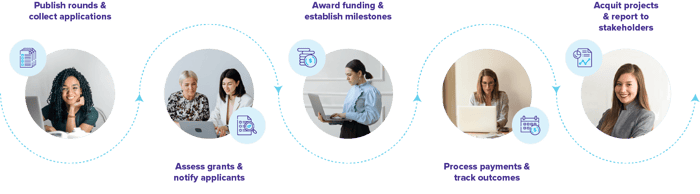
Tactiv centralises the entire grant lifecycle in one configurable research management platform, enabling organisations to manage:
- Grant applications and awards
- Milestones and deliverables
- Financial allocations and spend tracking
- Outcome and impact reporting
Instead of collecting impact data only at the end of a project, outcomes can be embedded directly into the grant workflow.
This approach creates:
- Real-time visibility into project performance
- Automated reminders for reporting requirements
- A single source of truth for compliance and evaluation
Outcome tracking becomes part of everyday program management – not an annual reporting scramble.
The grant management lifecycle
2. Align Research Activity With Strategic and Funding KPIs
Many organisations track outputs such as milestones completed or reports submitted. But demonstrating the broader impact — such as social, economic, or policy outcomes is often more difficult.
This challenge is becoming more important as governments and funding bodies shift toward outcome-focused funding models.
The NSW Government’s Grants Administration Guide highlights this shift, stating that grants administration frameworks should help organisations focus on “achieving outputs, outcomes and benefits for the community.”
To demonstrate these outcomes, organisations need structured ways to connect research activity with strategic priorities.
How Tactiv enables strategic alignment
Tactiv allows organisations to define outcome frameworks at the program or funder level and link them directly to funded projects.
This includes the ability to:
- Define measurable KPIs and impact indicators
- Capture qualitative and quantitative outcomes
- Track progress against funding objectives
- Align projects with institutional strategy or policy priorities
By structuring outcome data throughout the project lifecycle, research managers can more easily answer strategic questions such as:
- Which programs are delivering the strongest impact?
- Where are projects exceeding performance targets?
- What evidence supports future funding applications?
Instead of reporting activity, organisations can demonstrate measurable impact.
3. Automate Reporting and Improve Stakeholder Visibility
Manual reporting processes consume significant administrative time for research teams.
Data must often be extracted from multiple systems, reformatted into templates, validated internally, and then submitted to funders or oversight bodies. This not only slows down reporting cycles but also limits visibility for decision-makers.
Modern grant management approaches increasingly focus on using integrated platforms to improve transparency and accountability.
According to KPMG’s report on modernising government grant management, improving grant administration requires better data systems that support accountability, data quality, and program resilience, particularly where organisations are relying on fragmented or legacy technology.
How Tactiv reduces reporting burden
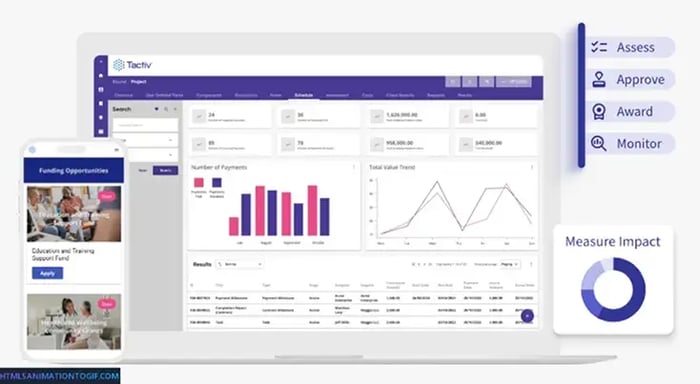
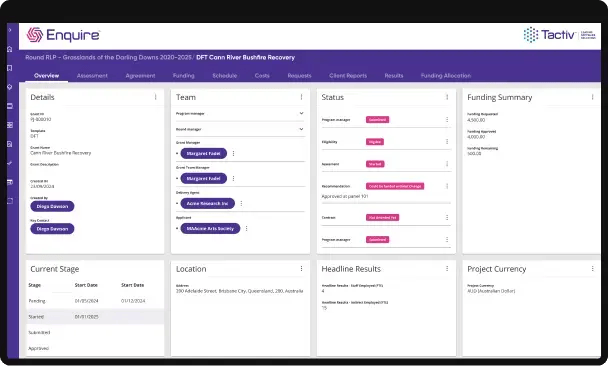
Tactiv enables organisations to automate reporting processes through configurable dashboards and reporting tools.
This allows research teams to:
- Track project progress against KPIs in real time
- Generate structured BI reports for funders and leadership
- Monitor program performance across funding portfolios
- Analyse trends and outcomes across multiple projects
Because outcome data is captured continuously throughout the grant lifecycle, reporting becomes a matter of generating insights, rather than manually rebuilding reports from scratch.
Research managers can shift their focus from administrative reporting to strategic program oversight.
 Tactiv's in-system dashboard functionality
Turning Outcome Tracking Into a Strategic Advantage
Simplifying research funding outcome tracking is not just about reducing administrative burden. It also strengthens an organisation’s ability to demonstrate value, secure future funding, and support evidence-based decision-making.
By embedding impact tracking into everyday research management processes, organisations can:
- Demonstrate accountability to funders and stakeholders
- Strengthen future funding applications with evidence of impact
- Improve strategic decision-making across research portfolios
- Adapt more easily to outcome-based funding models
With the right systems and processes in place, outcome tracking can move beyond compliance and become a powerful tool for understanding and communicating the real impact of research.
Impact measurement health check
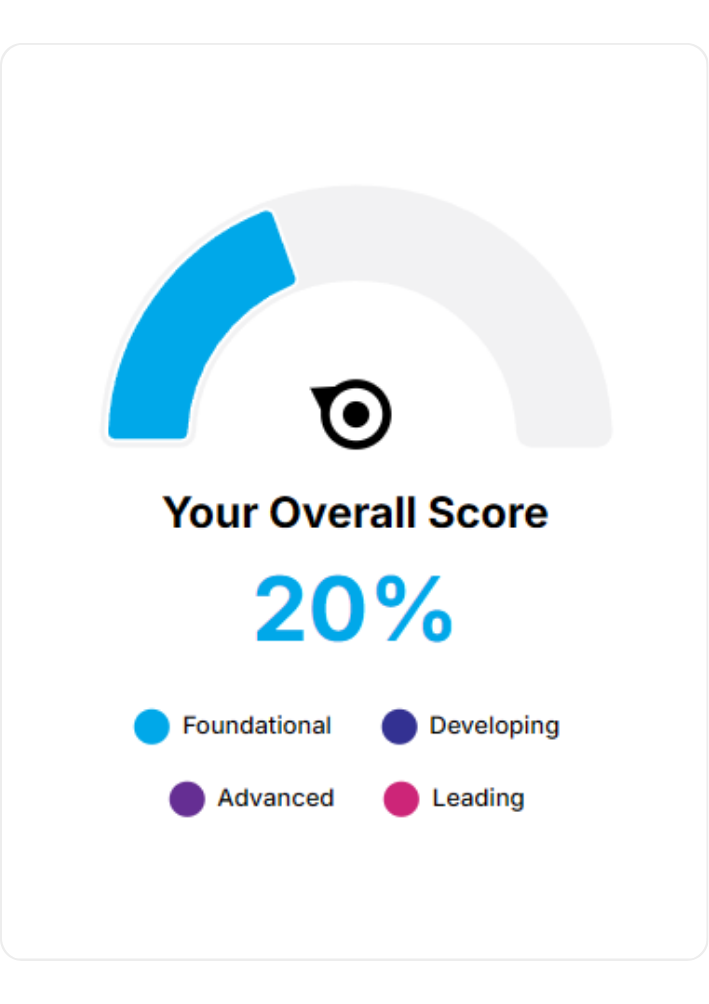
How well are you measuring your impact? Take our FREE 5-min health check to find out



Explore the future of grant impact: a vision for tradable impact. Learn how platforms like Enquire support organisations in managing outcomes, transparency, and data alignment.

Are you ready to get started?
Please complete the form below to schedule a custom demonstration of Tactiv and how we can help your business with Grants Management.